protoplanetary disk
Definition: A rotating disk of gas and dust surrounding a young star from which planets and smaller bodies can form.
Why it matters here: Its flattened structure explains the broadly coplanar, same-direction architecture of many planetary systems.
Relationships: Temperature gradients across the disk influence condensation, the ice line, and the materials available for accretion.
Boundary or common confusion: Disk evolution is dynamic and diverse; the solar nebula is reconstructed from incomplete evidence rather than observed directly.
accretion
Definition: Growth by gravitationally or collisionally gathering smaller particles and bodies.
Why it matters here: It links microscopic dust grains to planetesimals, embryos, planets, and continuing impact histories.
Relationships: Collision speed, sticking efficiency, gravity, and gas drag determine whether encounters build or erode bodies.
Boundary or common confusion: Accretion is not automatically smooth; fragmentation, migration, and giant impacts can interrupt or reverse growth.
differentiation
Definition: Separation of a planetary body into layers of different composition or density, commonly during heating and melting.
Why it matters here: It explains cores, mantles, crusts, magnetic-field potential, and volcanic chemistry.
Relationships: Dense materials sink while buoyant materials rise when the interior can flow; heat comes from accretion, radioactivity, and impacts.
Boundary or common confusion: Small or cold bodies may remain only partly differentiated, and later mixing can obscure the original layering.
cratering
Definition: The excavation and deformation of a surface by high-speed impacts.
Why it matters here: Crater abundance and preservation provide a relative record of surface age and resurfacing.
Relationships: Impact rate, projectile properties, gravity, atmosphere, erosion, and volcanism all shape the observed crater population.
Boundary or common confusion: Crater counts require calibration and assumptions; a crater-poor surface may be young or actively resurfaced.
volcanism
Definition: Transport of molten or volatile-rich material from a body's interior to its surface.
Why it matters here: It reshapes terrain, releases atmospheric gases, and reveals internal heat.
Relationships: Volcanism competes with cratering and erosion in setting surface age; tidal heating can sustain it on some moons.
Boundary or common confusion: Volcanic-looking landforms require geological context because impacts or tectonics can make similar shapes.
greenhouse effect
Definition: Surface warming produced when an atmosphere absorbs and re-emits outgoing infrared radiation while remaining comparatively transparent to incoming stellar energy.
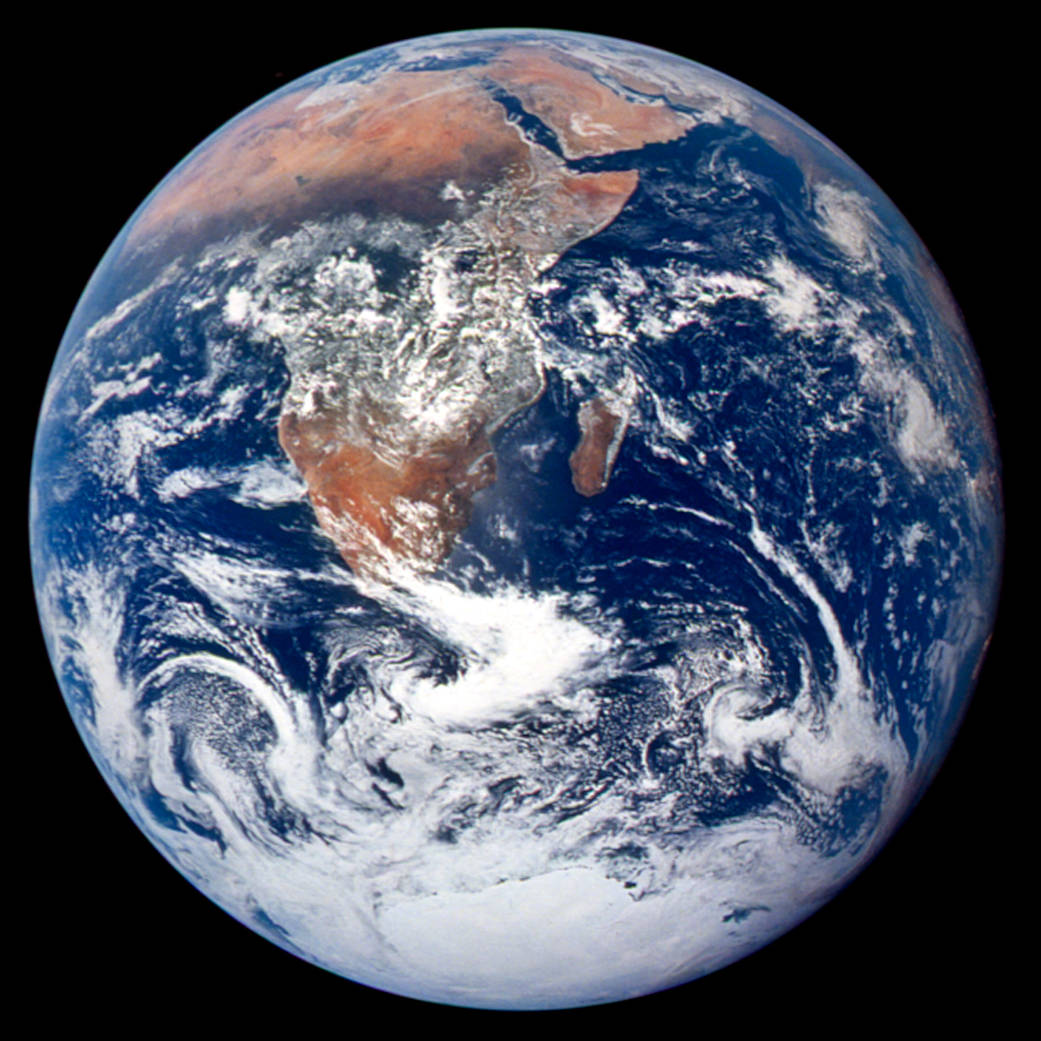
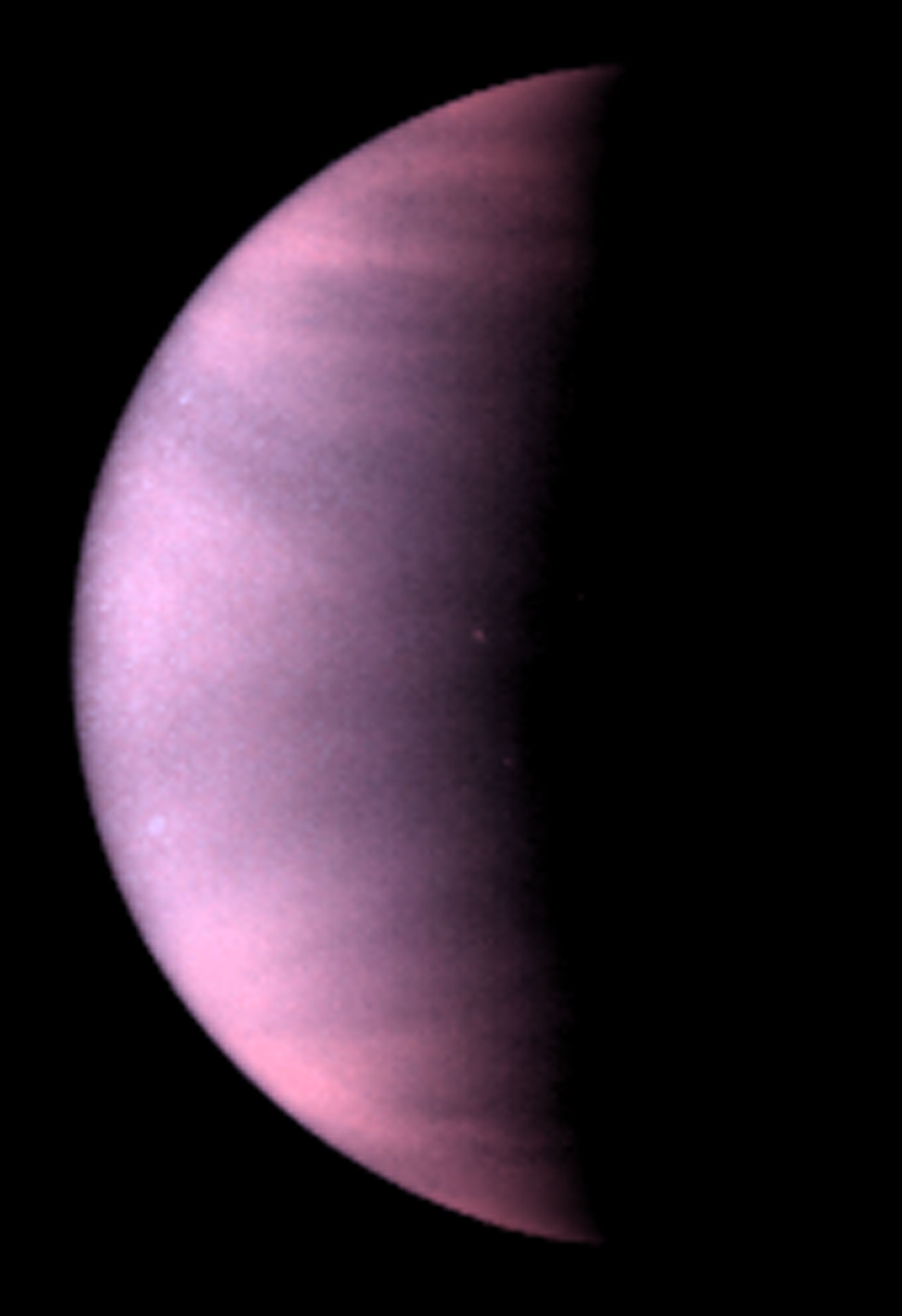
Why it matters here: It is central to explaining the divergent climates of Venus, Earth, and Mars.
Relationships: Atmospheric composition, pressure, clouds, albedo, and energy balance determine its magnitude.
Boundary or common confusion: It is not caused by a glass-like lid or by ozone, and the existence of a natural greenhouse effect does not specify its strength.
comparative planetology
Definition: The study of planets and moons by comparing their properties, histories, and physical processes.
Why it matters here: Controlled comparisons reveal why similar starting conditions can lead to different outcomes.
Relationships: It integrates accretion, differentiation, cratering, volcanism, atmospheres, and orbital environment.
Boundary or common confusion: Planets are not controlled laboratory duplicates; many variables change together, so causal claims require care.